Modern interior design increasingly favours minimalism, clean lines, and the seamless integration of architectural elements. One of the most effective ways to achieve this aesthetic is through the use of a concealed door system. These systems provide a sleek, unobtrusive solution to door installation that enhances the overall design while maintaining full functionality.
Understanding Concealed Door Systems
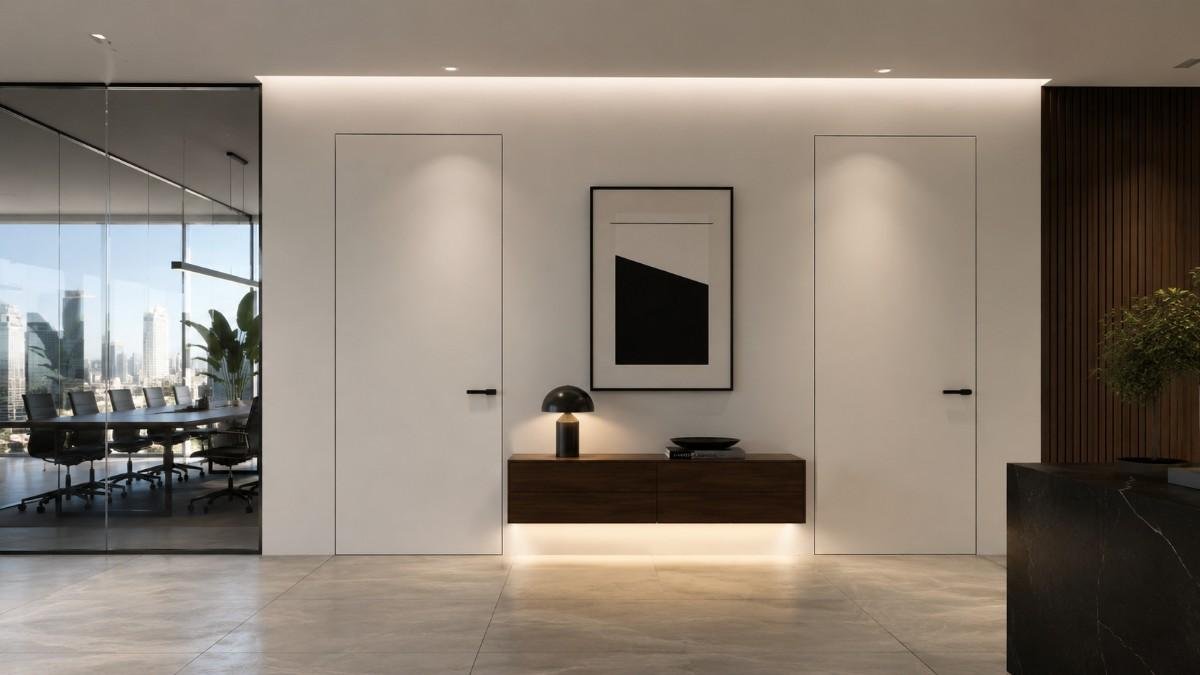
A concealed door system is designed to hide the door frame and hinges, creating a flush surface that blends with the surrounding wall. This technique eliminates the traditional door outlines, making doors appear as part of the wall itself. Such systems are used extensively in high-end residential, commercial, and hospitality interiors to support minimalist design concepts.
Key Features of a Concealed Door System
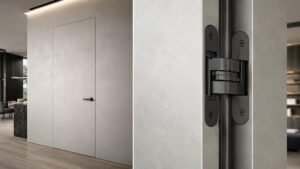
One of the primary features distinguishing a concealed door system is the invisibility of the door hardware. The hinges, locks, and frames are either embedded within the wall or disguised by matching materials, resulting in a continuous surface. Additionally, these doors can be customised to match wall textures, colour schemes, and finishes.
Advancements in door technology have also enhanced the durability and ease of use of concealed doors. Modern concealed door systems incorporate high-quality materials and precision engineering to ensure smooth operation while maintaining a strong, secure barrier.
Advantages of Concealed Door Systems

Aesthetically, concealed door systems offer a refined appearance by removing visual interruptions in the wall plane. This creates a spacious and uncluttered feel in any interior space. The ability to customise finishes and integrate seamless handles or push mechanisms adds to their versatility.
From a functional perspective, concealed doors can improve acoustic insulation and energy efficiency when properly sealed. They also reduce maintenance needs since exposed hinges and frames are eliminated, reducing opportunities for damage and dirt accumulation.
Applications of Concealed Door Systems
Concealed door systems are suitable for a range of applications. In residential homes, they are ideal for rooms where a seamless look is desired, such as living areas, bedrooms, or bathrooms. For commercial environments like offices, galleries, and hotels, concealed doors contribute to a sleek and professional atmosphere, promoting a modern aesthetic.
In addition, the systems are compatible with both swing and sliding doors, increasing their applicability across various design requirements and spatial constraints.
Design Considerations
When selecting a concealed door system, several factors need to be addressed to ensure optimal results. These include the door material, wall type, hardware quality, and installation expertise. The door material should be chosen based on durability, weight, and visual appearance.
It is important to work with manufacturers that provide comprehensive solutions, including door panels, hidden hinges, locking mechanisms, and installation guidance. Professional installation is critical given the precision needed to align the door perfectly within the wall and achieve the desired flush finish.
Integration with Interior Décor
A concealed door system offers the flexibility to blend the door surface with various wall materials, such as painted drywall, wood cladding, or decorative panels. This versatility enables designers to maintain consistency in texture and colour throughout the space.
Moreover, these systems can be integrated with smart home technology, enabling automated opening and closing mechanisms, enhanced security features, and remote control functionality without disrupting the door’s minimalist appearance.
Leading Solutions in Concealed Door Systems
Among the available products on the market, concealed door system solutions stand out for their innovative design and quality. These systems are engineered to deliver exceptional performance while maintaining an elegant, hidden look.
Products in this category often include options for custom finishes, various door sizes, and the ability to suit different architectural requirements. They typically come with comprehensive warranties and are supported by expert customer service.
Installation and Maintenance
Installation of concealed door systems requires specialised skills to guarantee seamless integration. It is advisable to engage certified professionals who are experienced with these products to avoid improper fitting, which can compromise both the aesthetics and functionality of the system.
Maintenance demands for concealed door systems are generally lower compared to traditional doors. Since hinges and frames remain hidden and protected, there is less exposure to wear, damage, and dirt. Periodic checks to ensure smooth operation and alignment are recommended for longevity.
Challenges and Solutions
One common challenge with concealed door systems is ensuring perfect alignment and flush finishing, which requires precision during both the manufacturing and installation stages. Additionally, concealed mechanisms must not compromise security and usability.
Advanced engineering and robust hardware that meet security standards address these concerns effectively. Moreover, ongoing improvements in hinge technology and door materials continue to enhance the performance and reliability of concealed door systems.
The Future of Concealed Door Systems
As interior design continues to evolve toward more minimalist and integrated environments, the demand for concealed door systems is expected to grow. Manufacturers are investing in innovations such as fully automated concealed systems that integrate with smart home technology, further streamlining functionality and appearance.
Environmental considerations are also influencing product development. Sustainable materials and energy-efficient sealing technologies are increasingly incorporated, aligning concealed door systems with contemporary eco-friendly building standards.
Conclusion
Concealed door systems offer a sophisticated solution for modern interiors that value both form and function. By eliminating visible hardware and integrating doors seamlessly with walls, these systems contribute to creating clean, uninterrupted spaces.
With advances in technology and design, concealed door systems continue to provide enhanced usability, security, and aesthetic appeal. Careful selection and professional installation are essential to fully realise the benefits of these innovative architectural elements.
For those looking to implement high-quality concealed door systems, exploring reputable options such as the concealed door system range is recommended to ensure reliable performance and stylish design.