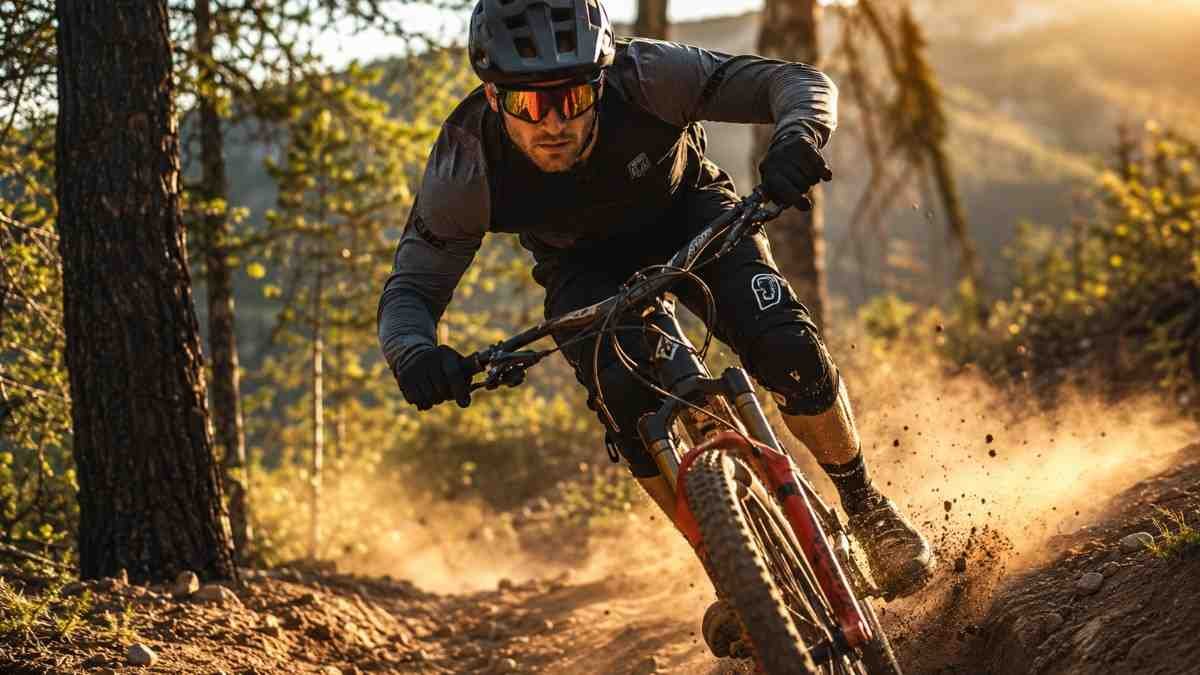
Mountain biking is an exhilarating outdoor sport that demands high levels of focus, agility, and protection. One essential yet often overlooked element of mountain biking gear is proper eyewear. Selecting the right eyewear for mountain biking is crucial for performance, safety, and comfort during rides. This article explores the key factors to consider when choosing eyewear tailored specifically for mountain biking enthusiasts.
The Importance of Eyewear in Mountain Biking
Mountain biking takes riders through diverse terrain and variable weather conditions. Eyewear serves several important functions beyond visual clarity. It protects the eyes from debris such as dirt, branches, and insects, which are common hazards on trails. Moreover, eyewear shields the eyes from harmful UV rays and reduces glare, improving visibility and reaction times during fast descents and technical manoeuvres.
Protection Against Environmental Elements
While helmets protect the head, the eyes remain vulnerable to wind, dust, and other environmental elements. Mountain biking eyewear forms a protective barrier, reducing the risk of eye injuries. This protection is especially vital when cycling in wooded areas or down steep, loose paths where airborne debris is more common.
Enhancing Visual Perception
Beyond safety, eyewear enhances visual perception by optimising contrast and reducing glare. Different lens tints are designed for varying light conditions. For example, amber or orange lenses improve contrast in low-light or shady conditions, while darker lenses are preferable in bright sunlight. Clear lenses are useful in dim or foggy situations, allowing maximum light transmission without distortion.
Key Features to Consider in Mountain Biking Eyewear
When selecting eyewear for mountain biking, several functional characteristics must be considered to ensure a secure fit and optimal performance.
Durability and Impact Resistance
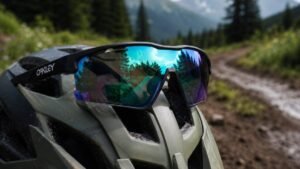
The frame and lenses must be constructed from durable materials that can endure impacts and resist shattering. Polycarbonate lenses are commonly used because of their high impact resistance and lightweight nature, reducing fatigue during long rides.
Lens Technology
Modern lenses often come with anti-fog coatings and hydrophobic treatments. These features prevent lens fogging caused by rapid temperature changes and repel water, dust, and mud, maintaining clear vision in challenging conditions.
Secure and Comfortable Fit
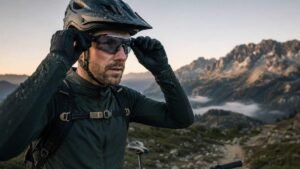
Eyewear designed for mountain biking should stay securely in place despite vigorous movement and sweating. Adjustable nose pads and temple grips contribute to a customised fit, preventing slippage. Lightweight frames with ventilation ensure comfort over extended periods.
Prescription Options
Mountain bikers who require vision correction should seek specialised prescription options. This ensures uncompromised visual acuity without the inconvenience of wearing separate contact lenses or goggles. Prescription cycling glasses are available with the necessary features tailored for the sport.
The Role of Lens Colour in Performance
Different lens tints serve unique purposes depending on trail conditions and lighting. Selecting the correct lens colour can enhance contrast, depth perception, and overall clarity.
Amber and Orange Lenses
These tints improve visual contrast and depth perception in moderate to low light. They are ideal for overcast, dawn, or dusk rides and in shaded forested areas.
Grey and Brown Lenses
Grey lenses reduce overall brightness while preserving true colour perception. Brown lenses enhance contrast and are suitable for variable conditions with mixed sunlight and shade.
Clear Lenses
Clear lenses protect against wind and debris while allowing maximum light transmission. They are best suited for night riding or indoor trail centres.
Maintenance and Care for Mountain Biking Eyewear
Proper maintenance extends the lifespan and effectiveness of mountain biking eyewear. Riders should regularly clean lenses using microfiber cloths and avoid abrasive materials that can cause scratches. Storing eyewear in protective cases helps prevent damage between rides.
It is also advisable to inspect frames and lenses for any signs of wear or damage before each ride. Replacing damaged eyewear promptly ensures continued protection and optimal performance.
Conclusion
Selecting the best eyewear for mountain biking is essential to safeguard vision, improve trail performance, and ensure riding comfort. The right eyewear incorporates durable construction, lens technology suited to specific environmental conditions, and a secure, comfortable fit. Riders requiring vision correction should explore prescription glasses designed specifically for cycling.
With the variety of options available, investing in high-quality eyewear for mountain biking tailored to individual needs can significantly enhance the overall experience and safety on the trails.
As mountain biking continues to evolve as a popular sport, so too does the technology behind specialised gear. Understanding the key factors and features is fundamental to making an informed choice that supports both performance and eye health.
Choosing well-designed mountain biking eyewear will allow enthusiasts to focus solely on their rides, confident that their vision is protected and optimised regardless of the challenge the trail presents.