
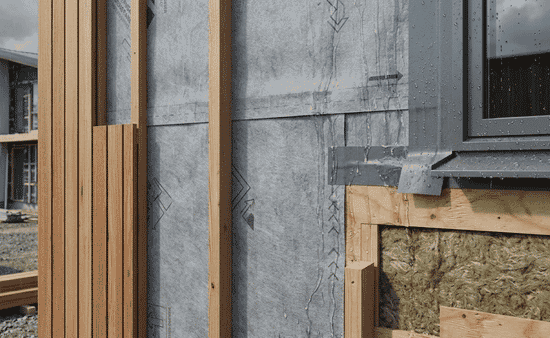
In modern construction, the importance of effective moisture management cannot be overstated. Among the numerous solutions available, the use of vapour permeable membranes has gained widespread recognition for their ability to enhance building durability and indoor comfort. These specialised membranes offer a sophisticated approach to controlling moisture movement within building envelopes, ensuring that structures remain both weatherproof and breathable.
Understanding Vapour Permeable Membranes
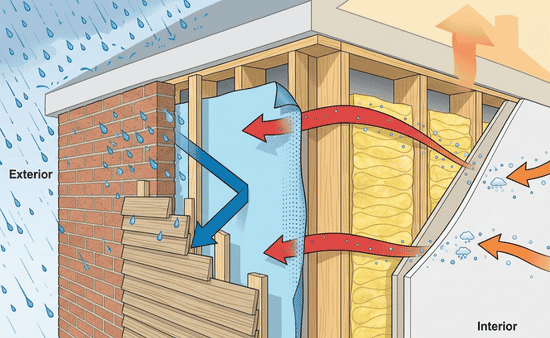
A vapour permeable membrane is a material designed to allow water vapour to pass through while preventing the ingress of liquid water such as rain. This selective permeability is crucial in maintaining the building’s structural integrity by managing condensation and minimising the risks associated with trapped moisture.
The membrane’s unique characteristic ensures that any moisture generated within the building or accumulated in the walls through environmental exposure can escape, reducing the chances of dampness, mould growth, and structural damage. Unlike traditional impermeable barriers that can trap moisture, vapour permeable membranes promote a healthier and longer-lasting building envelope.
Key Benefits of Vapour Permeable Membranes
One of the primary advantages of using a vapour permeable membrane in construction is its contribution to improved moisture control. This function mitigates several issues commonly faced in buildings, including decay of timber frameworks and corrosion of metal components.
Additionally, these membranes contribute to energy efficiency. By maintaining dry insulation materials and structural components, buildings can retain thermal performance over longer periods, leading to reduced heating and cooling demands. This advantage not only supports sustainability goals but also contributes to cost savings for building owners.
The breathability of vapour permeable membranes also enhances indoor air quality by preventing excess humidity and mould growth. This aspect is particularly vital in residential buildings where occupant health and comfort are priorities.
Durability and Weather Resistance
Vapour permeable membranes are engineered to offer excellent resistance against harsh weather conditions such as wind-driven rain and snow. Their impermeability to liquid water protects the building envelope from water ingress while their vapour permeability prevents condensation-related damages.
Moreover, the membranes are usually UV-resistant, ensuring prolonged effectiveness even when exposed during construction phases or in areas where the exterior cladding does not provide complete UV protection.
Applications in Various Building Types
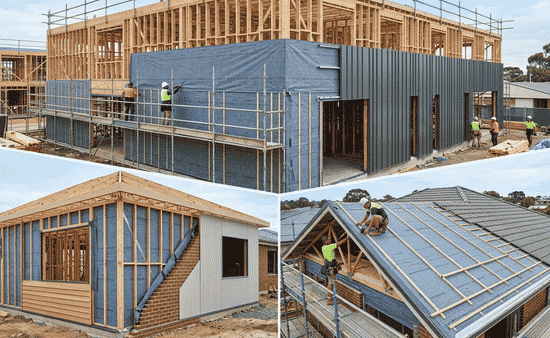
The versatility of vapour permeable membranes enables their use in diverse construction scenarios. They are commonly employed in both residential and commercial buildings, particularly in timber-framed structures, where moisture management is essential.
In wall assemblies, vapour permeable membranes serve as external weather barriers that protect insulation and structural elements. They are applicable under cladding systems including timber, brick veneer, fibre cement, and metal facades.
Roofing systems also benefit from these membranes, where they prevent moisture ingress while allowing trapped vapour to escape from the roof space, thus mitigating condensation risks.
Renovations and Retrofitting
Vapour permeable membranes are increasingly incorporated into renovation projects, especially when upgrading older buildings to modern standards. Their use helps to improve moisture control and energy performance, addressing issues that may have arisen due to previous construction methodologies.
Installation Considerations
Proper installation of vapour permeable membranes is critical to their performance. They must be carefully integrated into the building envelope detailing to ensure continuous protection and prevent gaps that could allow moisture ingress.
Installation typically involves fixing the membrane to the structural frame or sheathing, ensuring overlaps at lateral and vertical joints, and sealing around openings such as windows and doors.
This attention to detail is especially important in contemporary building designs that incorporate innovative concealed door systems for modern interiors, where precision installation and effective moisture management help maintain both performance and aesthetics. Compatibility with other building materials and adherence to the manufacturer’s guidelines are essential to achieve optimal results.
Compatibility with Other Building Materials
When selecting a vapour permeable membrane, it is important to choose one that is suitable for the specific climate conditions and building design. Compatibility with insulation, cladding, and structural components ensures the membrane’s effectiveness and longevity.
The Role in Sustainable Building Practices

Adopting vapour permeable membranes aligns with growing trends in sustainable construction. By enhancing building durability and energy efficiency, these membranes contribute to reducing environmental impact over the building’s lifecycle.
Additionally, many vapour permeable membranes are designed with recyclable materials or reduced environmental footprints, further supporting green building initiatives.
Compliance with Building Standards
In many jurisdictions, use of vapour permeable membranes can assist in meeting building codes and standards related to moisture control, energy efficiency, and indoor environmental quality. Specification of these materials should comply with local regulations and be informed by professional assessments of building performance needs.
Choosing the Right Vapour Permeable Membrane
With numerous products available on the market, selecting a suitable vapour permeable membrane can be challenging. Factors such as permeability rating, durability, UV resistance, and product warranty should be carefully evaluated.
Accessing detailed product information from reputable suppliers is critical. For instance, detailed technical specifications and application guidelines can be found on the vapour permeable membrane product page, providing valuable insight to architects, builders, and specifiers.
Conclusion
Vapour permeable membranes play an essential role in contemporary construction by effectively managing moisture, enhancing durability, and improving energy efficiency. Their ability to allow vapour diffusion while preventing water ingress makes them indispensable in various building applications, ranging from new builds to renovations.
Investing in high-quality vapour permeable membranes, combined with correct installation practices, ensures that buildings remain structurally sound and comfortable for occupants over time. As the construction industry continues to prioritise sustainability and performance, the use of these membranes is set to become even more widespread.