
In the realm of four-wheel drive (4WD) vehicles, the suspension system is a critical component ensuring stability, comfort, and control on diverse terrains. Among the various suspension parts, panhard rods play a vital role in maintaining lateral axle stability.
This guide focuses on explaining the function, importance, and maintenance of panhard rods within 4WD suspension setups.
What are Panhard Rods?
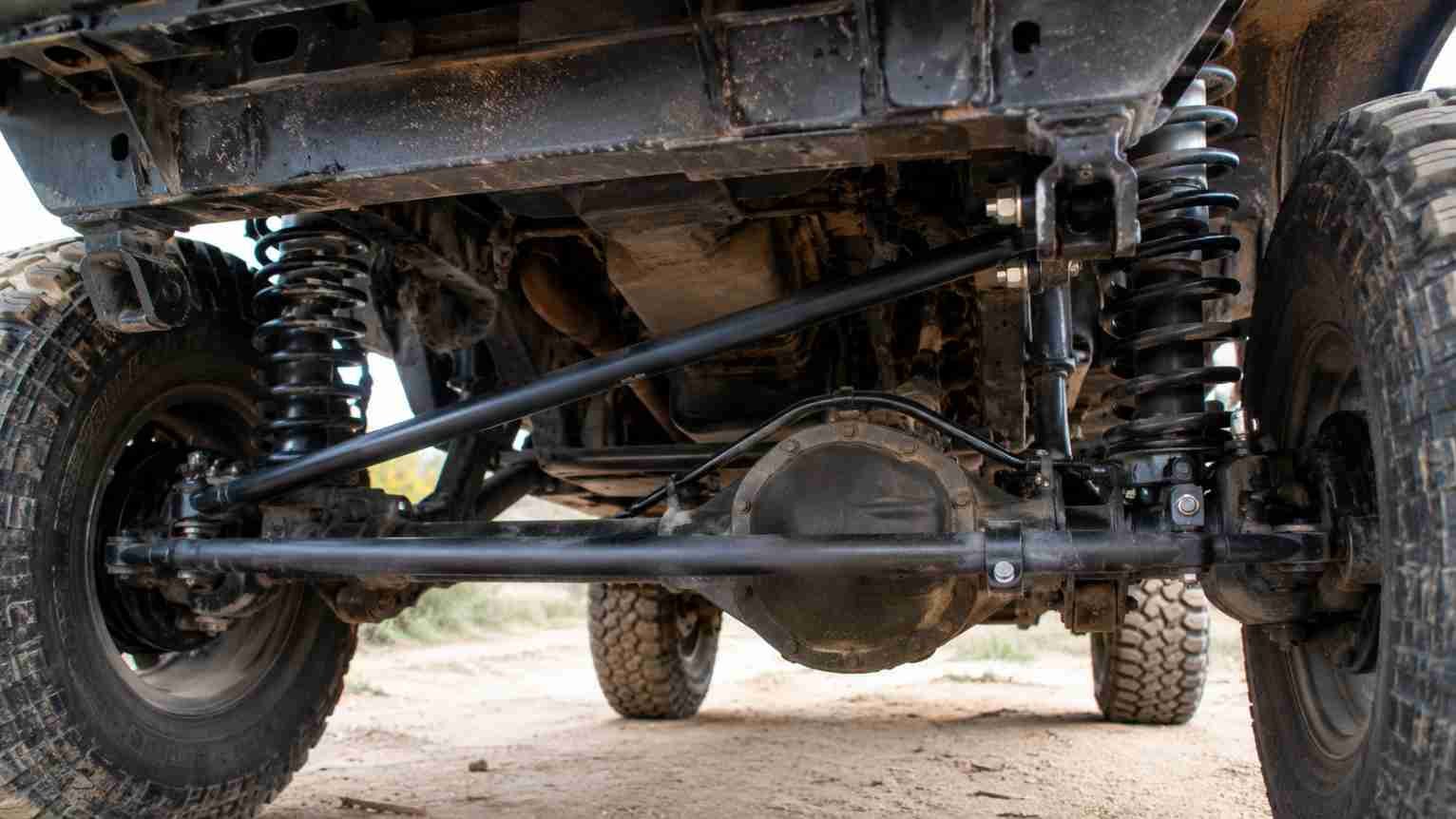
Panhard rods, also referred to as track bars, are components used in solid axle suspension systems. They control the side-to-side movement of the axle relative to the vehicle’s chassis, ensuring the axle stays centred beneath the vehicle during acceleration, braking, and cornering.
The panhard rod connects the axle housing to the vehicle frame or body, usually running laterally across the vehicle. By limiting lateral movement of the axle, it contributes significantly to the handling characteristics and overall stability of a 4WD vehicle.
The Role of Panhard Rods in 4WD Suspension Systems
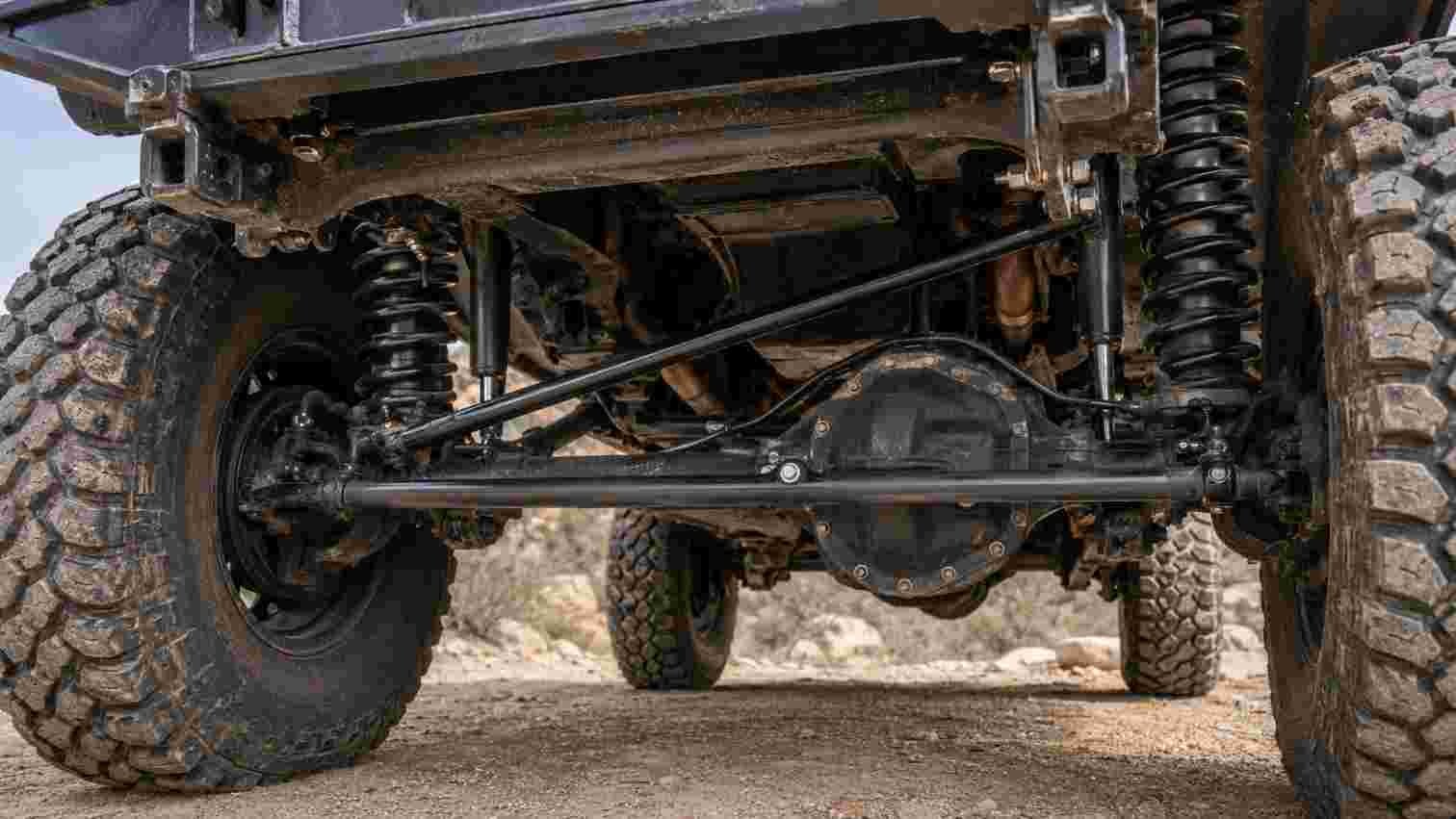
In solid axle 4WD vehicles, lateral control is necessary to prevent unwanted side-to-side axle movement, which can lead to poor handling and uneven tyre wear.
The panhard rod fulfills this function by restricting lateral displacement of the axle while allowing vertical movement for suspension articulation.
Unlike independent suspension setups, solid axle suspension relies on the panhard rod to provide lateral stability, as such vehicles typically have fewer components managing this movement. Without a panhard rod, the axle may sway laterally, reducing vehicle control and driver confidence, particularly over rough terrain.
Comparison with Other Lateral Control Devices
While the panhard rod is the most common lateral locator in many solid axle vehicles, alternative systems such as Watts linkages may be used. Watts linkages provide a more symmetrical and effective lateral control but are often more complex and costly.
Despite this, panhard rods remain popular due to their simplicity, reliability, and ease of installation or replacement. They offer an effective balance between cost and performance for most 4WD applications.
Materials and Construction of Panhard Rods
Panhard rods are typically constructed from steel for strength and durability. Heavy-duty variants may incorporate reinforced tubing or additional bracing to withstand the stresses encountered during off-road driving.
The rod is often equipped with high-quality bushings or spherical joints at each end to allow some rotational movement while maintaining lateral constraint. These joints must be robust to prevent wear and maintain precise axle alignment.
Signs of a Worn or Damaged Panhard Rod
Regular inspection of panhard rods is important for maintaining suspension performance. Common signs of wear or damage include excessive sideways play in the axle, uneven tyre wear, and instability during cornering or heavy braking.
Suspension noises such as clunking or knocking, particularly when driving over bumps, may also indicate worn bushings or damaged joints within the panhard rod assembly.
Impact on Vehicle Safety and Suspension Performance
A failing panhard rod can significantly compromise vehicle safety and suspension function. Excessive lateral axle movement reduces control, especially on uneven surfaces, increasing the risk of accidents.
Moreover, damaged or worn components can accelerate tyre wear and cause other suspension parts to fail prematurely, resulting in costly repairs.
Vehicle owners planning upgrades or repairs may also benefit from understanding car loans when budgeting for major automotive expenses.
Upgrading Panhard Rods for Enhanced 4WD Performance
Off-road enthusiasts often upgrade their native suspension systems to better handle demanding terrain. Upgrading to heavy-duty or adjustable panhard rods can improve lateral stability and articulation.
Adjustable panhard rods are particularly useful when lifting a vehicle, as this can alter the geometry of the suspension and affect axle alignment. Being able to fine-tune the rod length helps maintain optimal suspension performance and tyre tracking.
Installation and Adjustment Considerations
Proper installation is crucial to ensure the panhard rod functions as intended. Incorrect positioning can result in uneven axle placement and handling issues. Professional assistance is recommended for fitting or adjusting these components.
Adjustable rods should be set with the vehicle at normal ride height and weight to ensure correct axle centring. After adjustment, it is advisable to verify wheel alignment to avoid steering inconsistencies.
Maintenance Tips for Panhard Rods
Routine maintenance of panhard rods extends their operational lifespan and maintains suspension efficacy. Key maintenance tasks include regular inspection of bushings and joints, checking fasteners for tightness, and cleaning to prevent corrosion or debris buildup.
If any signs of wear or damage are detected, timely replacement of bushings or the entire rod assembly is advised to prevent further suspension issues.
How to Inspect Panhard Rods Safely
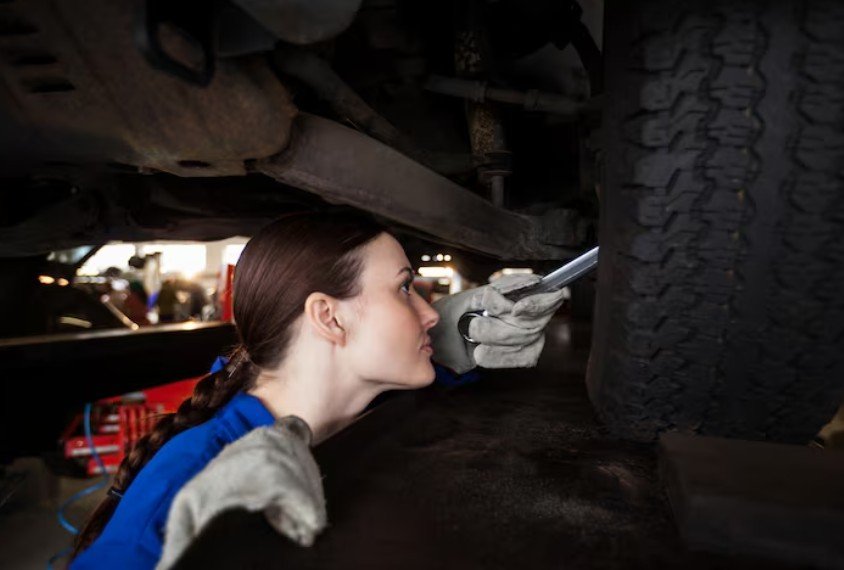
Inspection involves lifting the vehicle securely to relieve suspension load, then physically checking the rod and its mounts for cracks, bends, or looseness. Movement in the joints can be tested by attempting to move the rod by hand; excessive play indicates worn components.
Visual signs of deterioration such as rust or cracked bushings should be addressed promptly. This preventative process helps maintain optimal suspension performance and vehicle safety.
Where to Source Quality Panhard Rods
Vehicle owners seeking replacement or upgraded panhard rods should prioritise quality and compatibility. Reliable suppliers offer rods designed specifically for 4WD suspension systems, ensuring proper fitment and durability.
It is advisable to consult specialised 4WD suspension retailers or manufacturers that provide detailed product information and support. An example source for genuine panhard rods can help guarantee component reliability and performance.
Conclusion
The panhard rod is an essential component in 4WD suspension systems, crucial for maintaining lateral axle stability and enhancing vehicle handling. Understanding its function, recognising signs of wear, and adhering to maintenance schedules are necessary steps for safe and effective off-road vehicle operation.
Upgrading to heavy-duty or adjustable panhard rods can provide improved performance for off-road enthusiasts, particularly when combined with other suspension modifications.
Ensuring correct installation and adjustment will maximise the benefits of these components.
By sourcing quality panhard rods from reputable suppliers and conducting regular suspension inspections, 4WD vehicle owners can maintain optimal suspension performance, vehicle safety, and driving confidence across diverse driving conditions.